Your What was the last film to use the three strip technicolor system images are available in this site. What was the last film to use the three strip technicolor system are a topic that is being searched for and liked by netizens today. You can Get the What was the last film to use the three strip technicolor system files here. Download all royalty-free photos and vectors.
If you’re searching for what was the last film to use the three strip technicolor system images information related to the what was the last film to use the three strip technicolor system topic, you have visit the right site. Our website always provides you with suggestions for refferencing the highest quality video and picture content, please kindly search and find more enlightening video articles and graphics that fit your interests.
What Was The Last Film To Use The Three Strip Technicolor System. YOU WILL SEE HER TRANSFORMED BY THE WONDEROUS NEW TECHNICOLOR. Well over one thousand features were made in the three-strip Technicolor process from 1934 onward. Adapted from a play that was adapted from William Makepeace Thackerays book Vanity Fair the film looks at the English class system during the Napoleonic Wars era. The Ladykillers 1955 is considered to be the last motion picture to be photographed on the unmodified three-strip Technicolor camera.
 Three Strip Camera Colour Camera Camera Vintage Cameras From pinterest.com
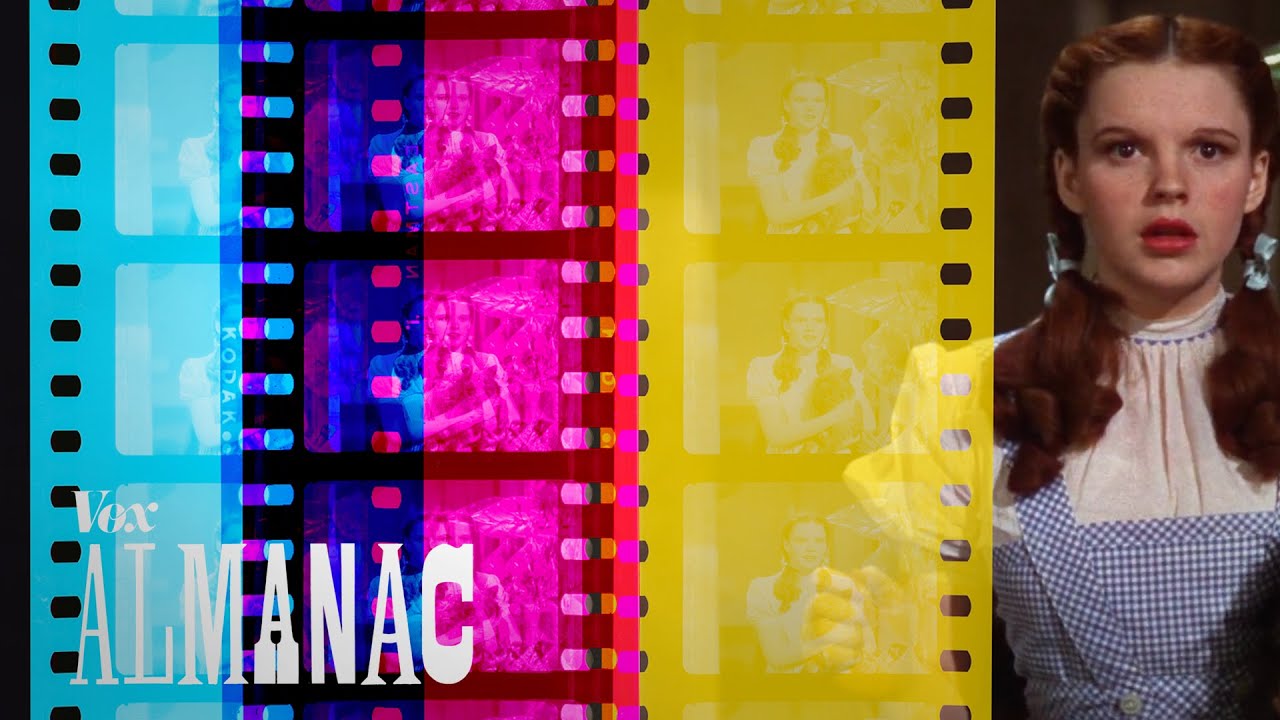
Three-Strip Camera The introduction of Technicolors three-color camera in 1932 represented a major advancement in motion picture technology. George Eastman House on p. Technicolor first dated back to 1916 and was improved over several decades. After the images were transferred the projection film had the completed color images Copyright YouTube. Some features using this improved process included The King of Jazz 1930 Whoopee. Keeping this in view how does three strip.
Foxfire 5What was the name of Merian C.
Among the standout films of that late period is Hathaway. The Ladykillers 1955 is considered to be the last motion picture to be photographed on the unmodified three-strip Technicolor camera. 657 rows The table lists some of the movies filmed in and theatrically released using the three-strip Technicolor process also known as Process 4. While Technicolor got out of the three-strip business in 1955 they continued manufacturing gleaming film prints with their patented and costly dye-transfer system until The Godfather. Adapted from a play that was adapted from William Makepeace Thackerays book Vanity Fair the film looks at the English class system during the Napoleonic Wars era. In 1932 the biggest advancement in color film was the introduction of the three-strip Technicolor process.
 Source: gr.pinterest.com
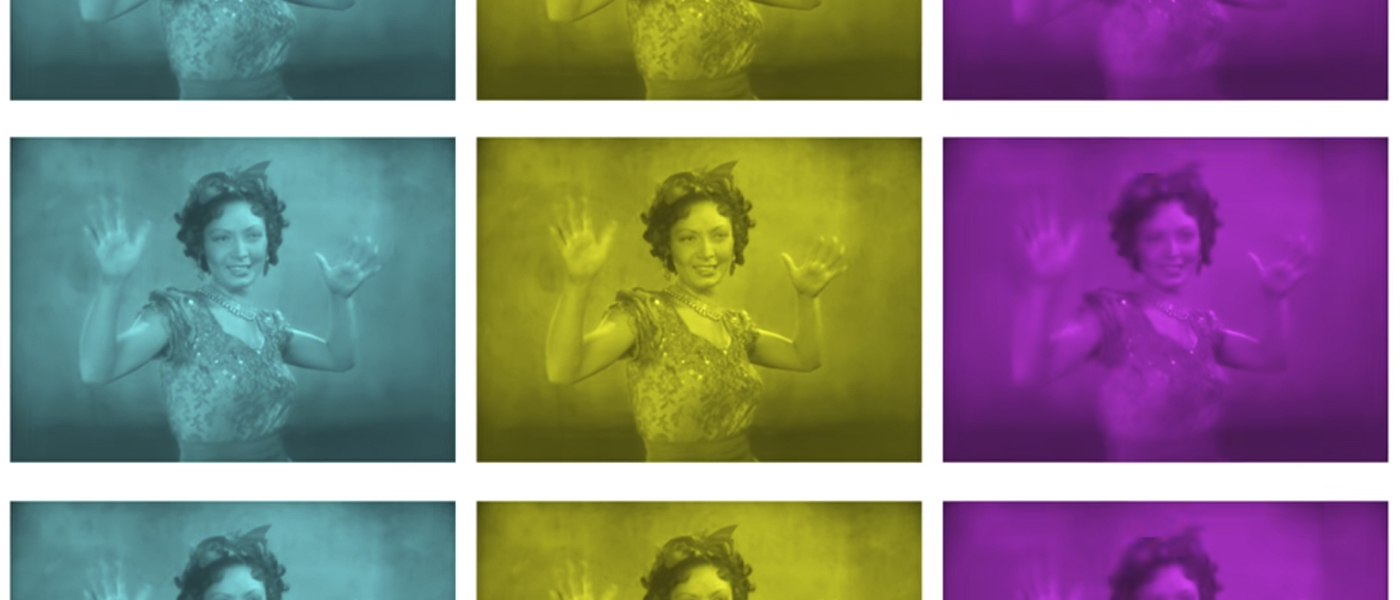
A big camera with a beam splitter and color filters recorded the scene on three separate BW film strips. Among the standout films of that late period is Hathaway. It became the second biggest color process behind Kinemacolor and was mostly used in Hollywood production from 1922 to 1952. There was actually an earlier live-action short from Technicolors own Pioneer Pictures studio in partnership with. The only three-strip movie at that time to be restored digitally was Snow White which Cinesite did at 4K resolution way back in the late 1980s I think.
 Source: pinterest.com
Vladimir Zworykin 3What year was Super Panavision 70 the last of the early wide-screen formats released. Film TV Kameramann 421 1993 pp. The first feature length film to use three-strip Technicolor film. And I believe that the result was the restoration was a. Part II two of the best mafia movies of all-time.
 Source: studiobinder.com
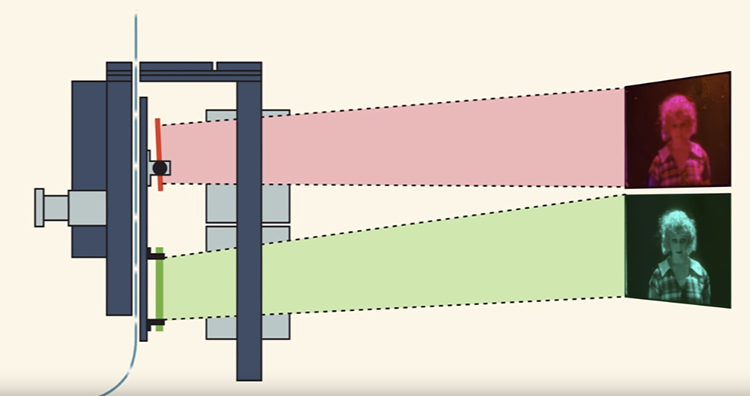
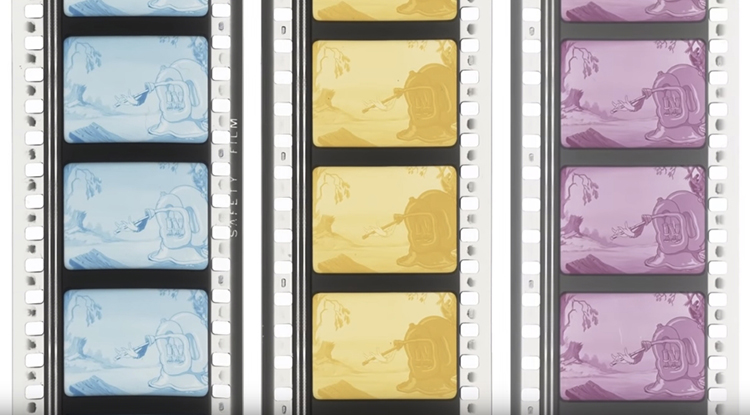
There would not be a regular movie made entirely with three-strip Technicolor until the 1935 film Becky Sharp which I have never seen. The camera required an entirely new design although it utilized many of the same principles already developed for two-color photography such as a. In 1932 Technicolor developed a three-color system that could at last photograph the full color spectrum. There was actually an earlier live-action short from Technicolors own Pioneer Pictures studio in partnership with. A big camera with a beam splitter and color filters recorded the scene on three separate BW film strips.
 Source: studiobinder.com
While Technicolor got out of the three-strip business in 1955 they continued manufacturing gleaming film prints with their patented and costly dye-transfer system until The Godfather. While Technicolor got out of the three-strip business in 1955 they continued manufacturing gleaming film prints with their patented and costly dye-transfer system until The Godfather. The dye transfer process was used with three-strip Technicolor until 1954 and. Vladimir Zworykin 3What year was Super Panavision 70 the last of the early wide-screen formats released. It became the second biggest color process behind Kinemacolor and was mostly used in Hollywood production from 1922 to 1952.
 Source: hometheaterhifi.com
There would not be a regular movie made entirely with three-strip Technicolor until the 1935 film Becky Sharp which I have never seen. The first film using this process was the 1932 animated short Flowers and Trees whereas the first. Technicolor first dated back to 1916 and was improved over several decades. Adapted from a play that was adapted from William Makepeace Thackerays book Vanity Fair the film looks at the English class system during the Napoleonic Wars era. It became the second biggest color process behind Kinemacolor and was mostly used in Hollywood production from 1922 to 1952.
 Source: hometheaterhifi.com
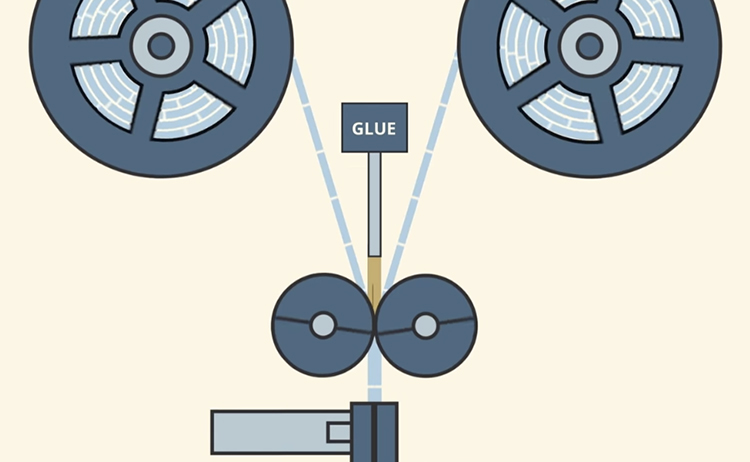
These separation negatives were contact printed onto so called matrix stock which was in turn used for making dye transfer prints. Two of the last movies to use the process were The Godfather and The Godfather. By 1935 the first full-color full-feature length film which used the process was released RKOs Becky Sharp and when Walt Disneys full-length animated feature Snow White and the Seven Dwarfs became the highest grossing film of 1938 Technicolor started its true rise to dominance in the color film industry and would remain there until the late fifties when competing systems like Eastmancolor by Kodak. Three-Strip Camera The introduction of Technicolors three-color camera in 1932 represented a major advancement in motion picture technology. The first film using this process was the 1932 animated short Flowers and Trees whereas the first.
 Source: pinterest.com
Two of the last movies to use the process were The Godfather and The Godfather. Heres director Francis Ford Coppola talking about his perspective on Technicolor. Adapted from a play that was adapted from William Makepeace Thackerays book Vanity Fair the film looks at the English class system during the Napoleonic Wars era. The Ladykillers 1955 is considered to be the last motion picture to be photographed on the unmodified three-strip Technicolor camera. A big camera with a beam splitter and color filters recorded the scene on three separate BW film strips.
 Source: pinterest.com
61 View Quote on pp. The era of three-strip Technicolor ended in 1955 with Foxfire and the invention of the cheaper and inferior Eastmancolor process. But that was successive frame exposure ie. Adapted from a play that was adapted from William Makepeace Thackerays book Vanity Fair the film looks at the English class system during the Napoleonic Wars era. 1930 Doctor X 1932 and finally Mystery of the Wax Museum.
 Source: hometheaterhifi.com
After the images were transferred the projection film had the completed color images Copyright YouTube. The first film using this process was the 1932 animated short Flowers and Trees whereas the first. Well over one thousand features were made in the three-strip Technicolor process from 1934 onward. The camera required an entirely new design although it utilized many of the same principles already developed for two-color photography such as a. Upgrade to remove ads.
Source: pinterest.com
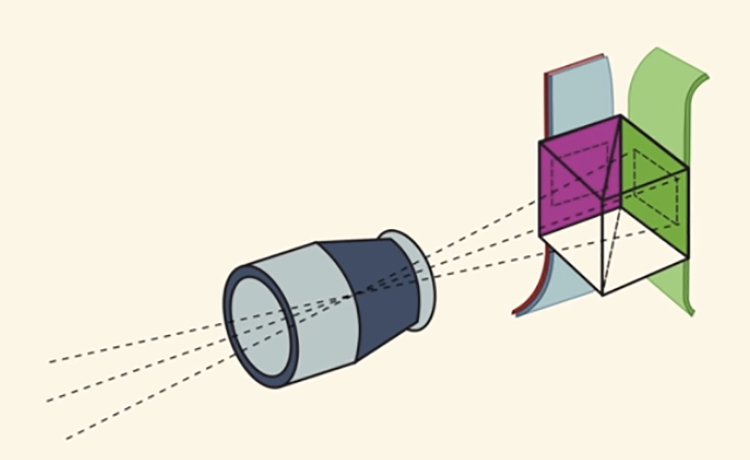
Three-Strip Camera The introduction of Technicolors three-color camera in 1932 represented a major advancement in motion picture technology. The Technicolor process perfected in 1932 originally used a beam-splitting optical cube in combination with the camera lens to expose three black-and-white films. The first feature length film to use three-strip Technicolor film. One of the things I like about Scorseses 1977 musical New York New York is that Marty re-created that romantic post-war period but peopled it with darker characters acting in a contemporary way. Coopers three camera three projector wide-screen movie format.
 Source: hometheaterhifi.com
Upgrade to remove ads. The dye transfer process was used with three-strip Technicolor until 1954 and. I think it works well. Upgrade to remove ads. Among the standout films of that late period is Hathaway.
 Source: hometheaterhifi.com
251252 View Quote on. 251252 View Quote on. 61 View Quote on pp. These separation negatives were contact printed onto so called matrix stock which was in turn used for making dye transfer prints. Coopers three camera three projector wide-screen movie format.
 Source: hometheaterhifi.com
The Technicolor process perfected in 1932 originally used a beam-splitting optical cube in combination with the camera lens to expose three black-and-white films. Dye transfer had less fading than other processes such as Eastman Color. The only three-strip movie at that time to be restored digitally was Snow White which Cinesite did at 4K resolution way back in the late 1980s I think. Process 4 is known as three-strip Technicolor. 657 rows The table lists some of the movies filmed in and theatrically released using the three-strip Technicolor process also known as Process 4.
 Source: pinterest.com
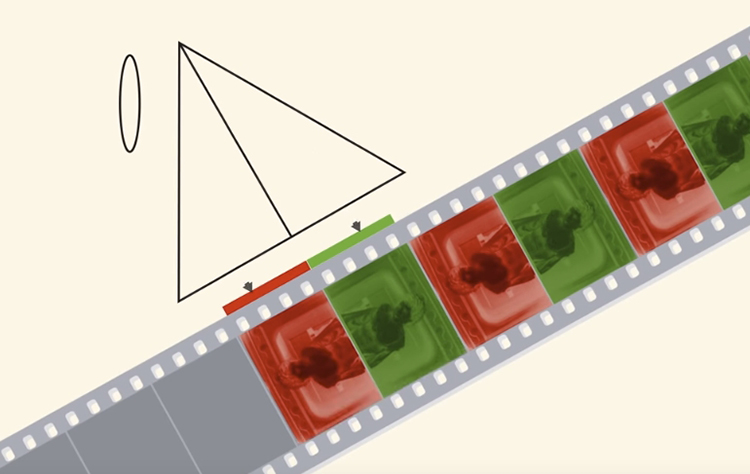
The only three-strip movie at that time to be restored digitally was Snow White which Cinesite did at 4K resolution way back in the late 1980s I think. And I believe that the result was the restoration was a. The camera required an entirely new design although it utilized many of the same principles already developed for two-color photography such as a. But that was successive frame exposure ie. Monica Vitti in Il Deserto rosso The Red Desert Michelangelo Antonioni 1964.
 Source: hometheaterhifi.com
But that was successive frame exposure ie. In 1932 the biggest advancement in color film was the introduction of the three-strip Technicolor process. The Dawn of Technicolor. Heres director Francis Ford Coppola talking about his perspective on Technicolor. All three bw seps were on one negative.
 Source: hometheaterhifi.com
Technicolor first dated back to 1916 and was improved over several decades. The camera required an entirely new design although it utilized many of the same principles already developed for two-color photography such as a. Technicolor trademark motion-picture process using dye-transfer techniques to produce a colour print. The Dawn of Technicolor. It became the second biggest color process behind Kinemacolor and was mostly used in Hollywood production from 1922 to 1952.
 Source: pinterest.com
The Technicolor process perfected in 1932 originally used a beam-splitting optical cube in combination with the camera lens to expose three black-and-white films. YOU WILL SEE HER TRANSFORMED BY THE WONDEROUS NEW TECHNICOLOR. Keeping this in view how does three strip. Technicolor first dated back to 1916 and was improved over several decades. The results are sequences that blend a contemporary feel with some of the rich skin tones we commonly associate with three-strip Technicolor.
 Source: pinterest.com
In 1932 the biggest advancement in color film was the introduction of the three-strip Technicolor process. Technicolor first dated back to 1916 and was improved over several decades. The Dawn of Technicolor. But that was successive frame exposure ie. Technicolor trademark motion-picture process using dye-transfer techniques to produce a colour print.
This site is an open community for users to do sharing their favorite wallpapers on the internet, all images or pictures in this website are for personal wallpaper use only, it is stricly prohibited to use this wallpaper for commercial purposes, if you are the author and find this image is shared without your permission, please kindly raise a DMCA report to Us.
If you find this site beneficial, please support us by sharing this posts to your own social media accounts like Facebook, Instagram and so on or you can also save this blog page with the title what was the last film to use the three strip technicolor system by using Ctrl + D for devices a laptop with a Windows operating system or Command + D for laptops with an Apple operating system. If you use a smartphone, you can also use the drawer menu of the browser you are using. Whether it’s a Windows, Mac, iOS or Android operating system, you will still be able to bookmark this website.


